

Adding Three Numbers in Word Problem
Addition is an essential skill for young learners, and solving word problems helps students understand how numbers work in real life. Learning to add three numbers together allows children to practice counting, recognize number patterns, and develop problem-solving skills.
Using objects, drawings, or equations, students can visualize numbers and see how separate groups combine to form a total. This hands-on approach is especially helpful for Grade 1 students because it connects abstract math concepts to real-world experiences. For example, they can count apples in a basket, birds in a tree, or cubes on a table to find out how many there are in all.
By practicing with small, relatable numbers, students gain confidence, strengthen their understanding of addition, and see math as something meaningful and fun. This lesson uses three simple, concrete examples to guide students through the process of adding three numbers step by step.
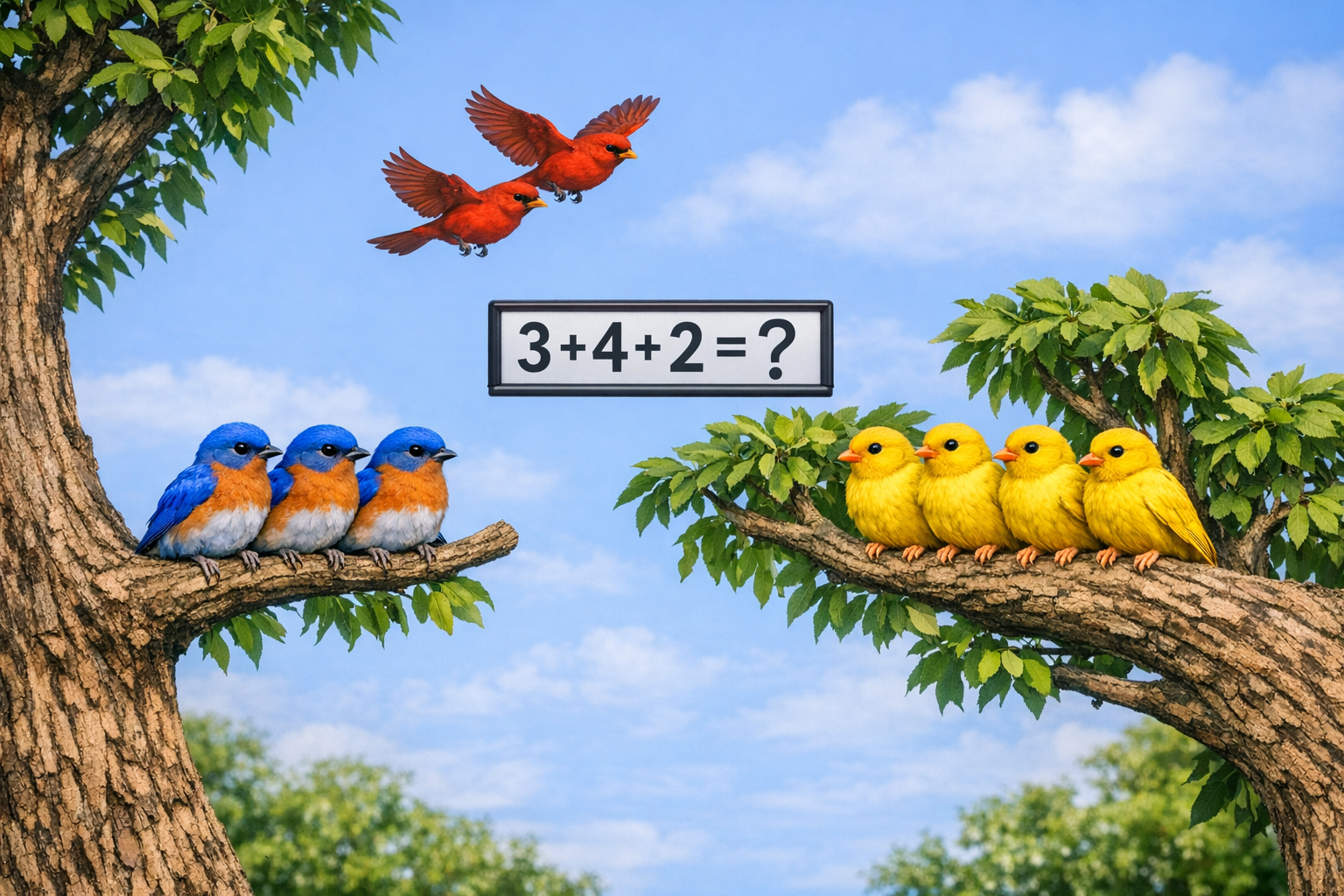
Example 1 – Birds in a Park
🐦 3 birds on a tree
🐦 4 birds on another branch
🐦 2 birds flying nearby
Equation: 3 + 4 + 2 = 9
Students can draw the birds or use counters to find the total.
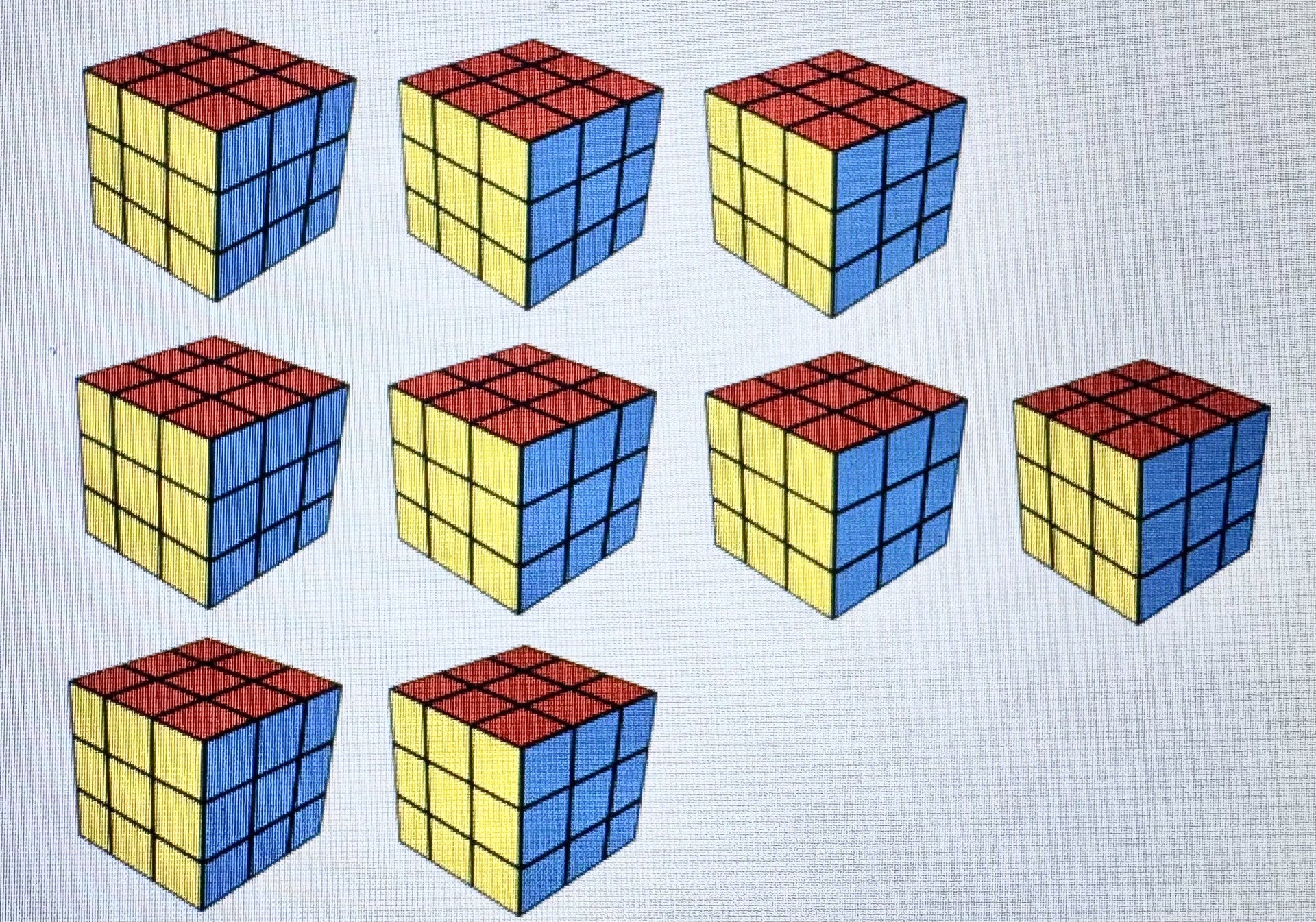
Example 2 – Counting Cubes
3 cubes
4 cubes
2 cubes
Equation: 3 + 4 + 2 = 9
Hands-on objects help students visualize addition and understand grouping.
Through these simple activities, students learn that addition is just putting groups together. Using drawings, objects, and equations builds confidence, improves problem-solving skills, and makes learning math fun and interactive. Resources can be found on the resources page or by using the search button to find more information about this activity, as well as a PowerPoint presentation for the topic.